ওমরা প্যাকেজ প্রতারণা: কীভাবে ভুয়া এজেন্সি চিনবেন
সস্তা প্রতিশ্রুতি ব্যর্থ হলে দামি হয়ে ওঠে
বাংলাদেশে প্রতি ওমরা মৌসুমে পরিবারেরা এমন প্যাকেজের কথা শোনে যা বিশ্বাস করতে ইচ্ছে করে। মেসেঞ্জারে পূর্ণ মক্কা-মদিনা অবস্থানের অফার লাইসেন্সপ্রাপ্ত এজেন্সির কাছাকাছি আলোচনার চেয়ে অনেক কম। কেউ বলে হোটেল হারামের কাছে। কেউ বলে ভিসা নিশ্চিত। তারপর অগ্রিম নগদ, অফিসের নম্বর আর ধরে না, আর আত্মিক সফর আর্থিক ক্ষতে পরিণত হয়। প্রতারণা আগে চেনা পরিবার ও ইবাদত দুটোর প্রতি যত্ন।
সাধারণ প্রতারণার ধরন
অননুমোদিত অপারেটর প্রায়ই তাড়া দেয়। বলে আজ রাতে আসন শেষ। আসল অফিসে যেতে নিরুৎসাহ করে। লিখিত চুক্তি এড়ায়। বাজার আলোচনার চেয়ে অনেক কম দাম বলে কী বাদ পড়েছে ব্যাখ্যা করে না। কেউ লাইসেন্সপ্রাপ্ত প্রতিষ্ঠানের কাছাকাছি নাম ব্যবহার করে। কেউ প্রাতিষ্ঠানিক রসিদ ছাড়া ব্যক্তিগত মোবাইল ব্যাংকিংয়ে টাকা নেয়।
আরেক ধরন আংশিক ডেলিভারি। ভিসা দেরি বা অসম্পূর্ণ। হোটেল দূরের প্রপার্টিতে বদলে যায়, সমমানের ভাষা লিখিত থাকে না। ফ্লাইট শেষ সপ্তাহ পর্যন্ত অনিশ্চিত। আরও টাকা চেয়ে বিশ্বাস ও অপেক্ষার কথা বলে।
নিরাপদ বুকিং আচরণ কীভাবে চিনবেন
ধর্ম বিষয়ক মন্ত্রণালয়ের সরকারি চ্যানেল এবং প্রাসঙ্গিক হলে হাবসহ শিল্প যাচাইয়ের মাধ্যমে এজেন্সির সরকারি লাইসেন্স যাচাই করুন। সম্ভব হলে ফিজিক্যাল অফিসে যান। লাইসেন্স নম্বর চান এবং প্রদর্শিত সনদের ছবি রাখুন। কয়েকটি লাইসেন্সপ্রাপ্ত এজেন্সির সাথে দাম তুলনা করুন; অস্বাভাবিক কম অঙ্ক লাল পতাকা, সবসময় ভুয়া না হলেও।
অগ্রিমের আগে সিলমোহর রসিদ ও লিখিত চুক্তি চান। চুক্তিতে হোটেল বা হোটেল ক্যাটাগরি দূরত্বসহ, ফ্লাইট রুট নোট, রুম শেয়ারিং, মিল প্ল্যান, ভিসার দায়িত্ব ও রিফান্ড নিয়ম থাকুক। কাগজপত্রে রাজি না হলে সরে যান।
সুরক্ষার বাস্তব চেকলিস্ট
এজেন্সির নামের সাথে অভিযোগ ও লাইসেন্স শব্দ দিয়ে খুঁজুন। সাম্প্রতিক ফেরত যাত্রীর রেফারেন্স চান এবং স্বাধীনভাবে যাচাই করুন। চায়ের দোকানের অপরিচিতের হাতে বড় নগদ দেবেন না। প্রতিটি রসিদের কপি রাখুন। সম্ভব হলে ট্রেস রাখে এমন চ্যানেলে পরিশোধ করুন। যাচাইহীন সোশ্যাল পেজে পাসপোর্ট স্ক্যান দেবেন না।
পেমেন্টের পর কিছু ভুল লাগলে প্রতিটি চ্যাট, রসিদ ও কল লগ নথিভুক্ত করুন। হাব ও ভোক্তা অধিকারে অভিযোগ করুন, সরকারি অভিযোগ পথের নির্দেশ নিন। আশার অপেক্ষার চেয়ে দ্রুত নথি রাখা বেশি সাহায্য করে।
সাধারণ ভুল
মৌখিক হোটেল প্রতিশ্রুতি বিশ্বাস। আত্মীয়ের পরিচিত সৎ মনে হওয়ায় টাকা দেওয়া। লাইসেন্সের অনুপস্থিতি উপেক্ষা। শুধু দাম দেখে বেছে নেওয়া। লিখিত রিফান্ড ধারা এড়ানো। যাচাইহীন পেজে পাসপোর্ট তথ্য পাঠানো।
আল-মারচুচ ইন্টারন্যাশনাল কীভাবে সাহায্য করে
আল-মারচুচ ইন্টারন্যাশনাল লাইসেন্সপ্রাপ্ত এজেন্সি (লাইসেন্স ০৬৬৫), ওমরা প্যাকেজে লিখিত স্বচ্ছতায় জোর দেয়। /hajj-umrah এ প্যাকেজ পথ দেখুন, যাচাইয়ের প্রশ্ন /contact এ করুন, ভিসা প্রক্রিয়ার প্রশ্ন /services/visa এ মিলিয়ে রাখুন। প্রতিটি কম দামকে প্রতারণা বলব না, এবং আইন প্রয়োগের ফলাফল উদ্ভাবন করব না। টাকা সরার আগে স্বচ্ছ নথিতে জোর দেব।
প্রতিবেশী রক্ষা করে এমন সামাজিক অভ্যাস
বিশ্বস্ত প্রক্রিয়া পেলে আত্মীয়দেরও একই কাগজপত্র চাইতে বলুন। নীরবতায় প্রতারণা বাড়ে। পরিষ্কার রসিদ ও লাইসেন্স চেক সহজ হাতিয়ার, যা পরিবার কারিগরি জ্ঞান ছাড়াই শেয়ার করতে পারে।
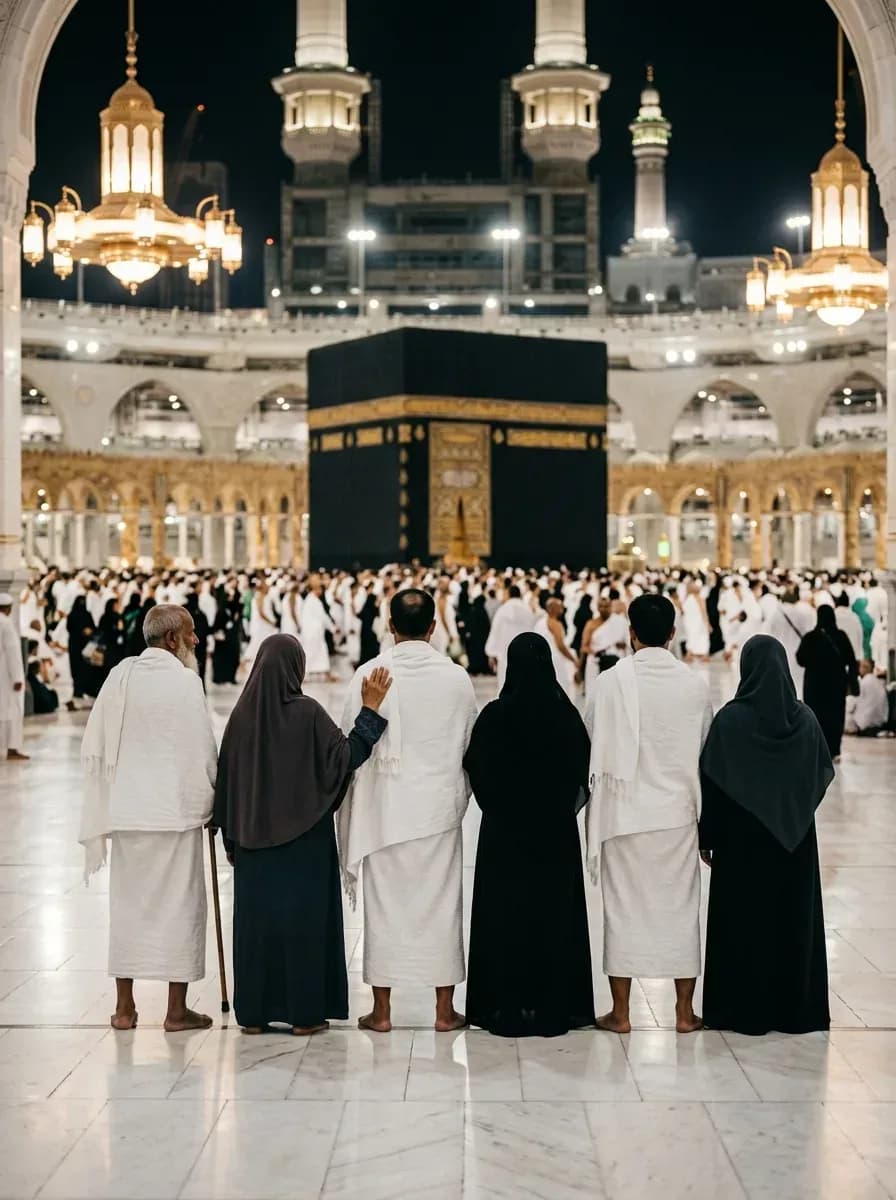
ফ্লায়ারের ছবি দেখে মুগ্ধ হওয়ার আগে জিজ্ঞাসা করুন বুকিং সম্পর্কের আইনি মালিক কে। সুন্দর কাবা ছবি লাইসেন্স প্রমাণ করে না। কাগজপত্র করে।
ঝুঁকি দেখায় এমন অফিস সফরের অভ্যাস
আসল অফিসে সাধারণত কর্মীরা লাইসেন্স দেখাতে, প্যাকেজ শিট বুঝিয়ে, এবং সুপারভাইজার পরিচয় করিয়ে দিতে পারে। ঝুঁকিপূর্ণ বিক্রেতা মিটিংয়ের জায়গা বদলাতে পারে, অফিস থেকে ভিডিও কল এড়াতে পারে, বা আত্মীয়রা চুক্তি পড়ার আগে সিদ্ধান্তের চাপ দিতে পারে। গুরুত্বপূর্ণ বৈঠকে পরিবারের দ্বিতীয় সদস্য নিন। দুই শ্রোতা এক শ্রোতার ফাঁক ধরে।
ডিজিটাল লাল পতাকা
অফিসের ঠিকানা নেই, লাইসেন্স নম্বর নেই, শুধু ব্যক্তিগত ফোন আছে এমন চকচকে পেজ সতর্কতার। আলাপের মাঝে পেমেন্ট নির্দেশ কোম্পানি অ্যাকাউন্ট থেকে ব্যক্তিগত ওয়ালেটে সরে গেলে কারণ জিজ্ঞাসা করুন। স্বচ্ছ এজেন্সি রাগ ছাড়াই পেমেন্ট পথ ব্যাখ্যা করে।
সাধারণ প্রশ্ন
প্রশ্ন ১: লাইসেন্স কীভাবে যাচাই করব? উত্তর: ধর্ম মন্ত্রণালয়ের ওয়েবসাইট থেকে।
প্রশ্ন ২: কম দামের প্যাকেজ কি সবসময় ভুয়া? উত্তর: সবসময় না হলেও, অতি সস্তা মানেই ঝুঁকি।
প্রশ্ন ৩: টাকা দেওয়ার আগে কী নেব? উত্তর: অবশ্যই রিসিট এবং চুক্তিপত্র।
প্রশ্ন ৪: প্রতারিত হলে কী করব? উত্তর: হাব এবং ভোক্তা অধিকারে অভিযোগ করুন।
পরবর্তী পদক্ষেপ
লাইসেন্স যাচাই ও লিখিত চুক্তি ছাড়া যেকোনো অগ্রিম থামান। /hajj-umrah এ স্বচ্ছ অপশন তুলনা করুন, /contact এ নথি স্পষ্ট করুন, /services/visa এ সরকারি ভিসা ধাপ রাখুন। টাকা দেওয়ার আগেই সফর সুরক্ষিত করুন।