
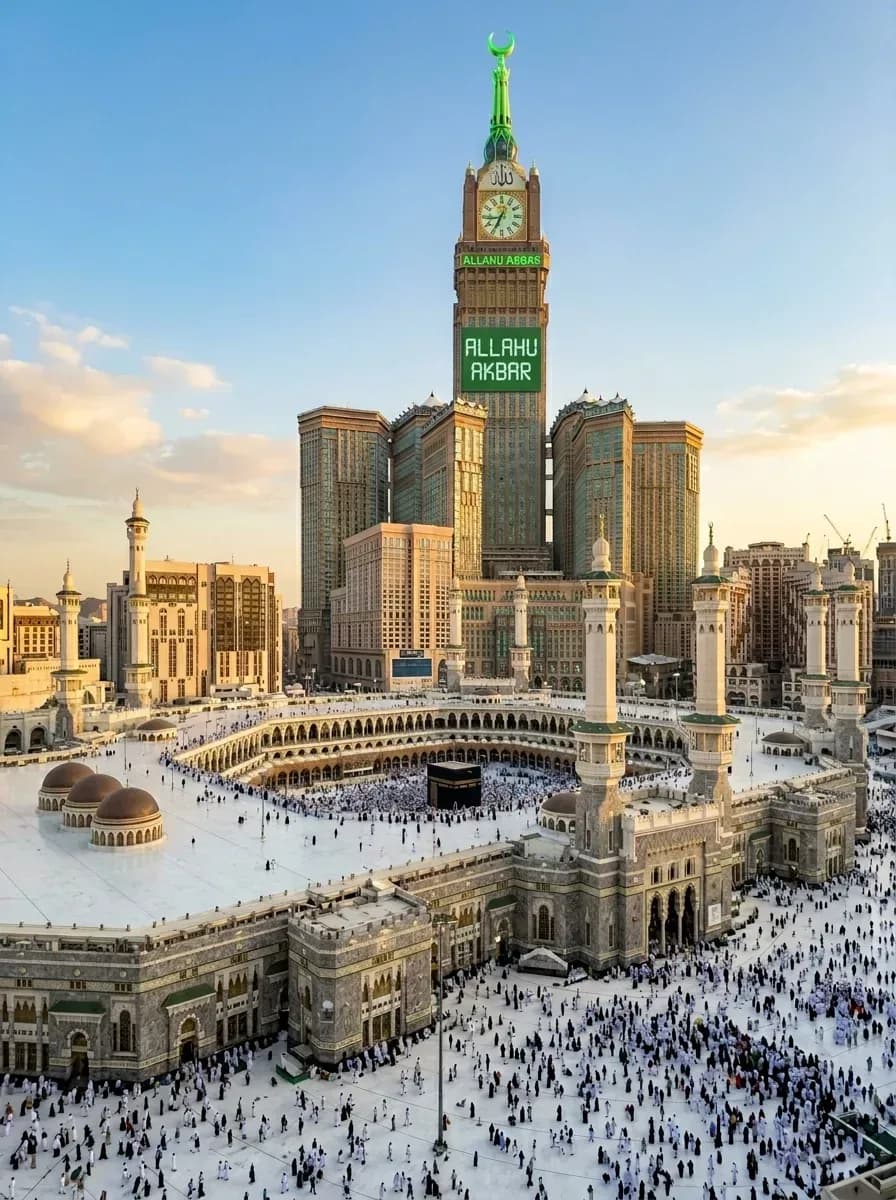
নন-শিফটিং বনাম শিফটিং হজ প্যাকেজ: বাংলাদেশের হাজিদের যা জানা প্রয়োজন
কেন এই সিদ্ধান্ত এত গুরুত্বপূর্ণ
বাংলাদেশি পরিবার যখন হজের পরিকল্পনা শুরু করে, প্রথম কঠিন প্রশ্নটি প্রায়ই ফ্লাইট বা ভিসার কাগজপত্র হয় না। প্রশ্নটি হয় প্যাকেজের ধরন নিয়ে। সবাই দুটি শব্দ বলে: নন-শিফটিং ও শিফটিং। আত্মীয়স্বজন ভিন্ন পরামর্শ দেন। সামাজিক মাধ্যমের পোস্ট আত্মবিশ্বাসী শোনায়, কিন্তু দৈনন্দিন বাস্তবতা বাদ পড়ে। বয়স্ক বাবা-মা সাথে থাকলে এই সিদ্ধান্ত পবিত্র দিনগুলোতে ক্লান্তি না শান্তি কোনটি বাড়বে তা নির্ধারণ করে।
হজ ইবাদত এবং শারীরিকভাবে কঠিন সফর দুটোই। গরম, হাঁটা, ভিড় ও সময়সূচির পরিবর্তন অভিজ্ঞতার অংশ। আপনি কোন প্যাকেজ বেছে নেবেন তার ওপর নির্ভর করে মক্কায় হজের মূল দিনের আগে-পরে কোথায় ঘুমাবেন, কতবার লাগেজ সরাতে হবে এবং হারামে সালাতের জন্য কীভাবে পৌঁছাবেন। সস্তা শোনানো অফারের চেয়ে এই বিষয়গুলো পরিষ্কার বোঝা বেশি কাজে লাগে।
নন-শিফটিং ও শিফটিং আসলে কী
নন-শিফটিং হজ প্যাকেজে সাধারণত মিনা ও আরাফার মূল আনুষ্ঠানিক দিনগুলোর বাইরে মক্কায় আপনি একই হোটেলে থাকেন। সেই হোটেল প্রায়ই বাজেট শিফটিং অপশনের চেয়ে হারামের কাছাকাছি হয়। একবার খালাস করে রাখেন, রাস্তা শিখে নেন, লম্বা ইবাদতের পর একই ঘরে ফিরে বিশ্রাম নেন। বয়স্ক ও চলাফেরায় সীমিত সদস্যদের জন্য এই স্থিতিশীলতা চাপ কমায়।
শিফটিং প্যাকেজে অবস্থানের কিছু সময় আজিজিয়া বা অনুরূপ সাশ্রয়ী এলাকায় সরিয়ে নেওয়া হয়। হোটেল হারাম থেকে দূরে হওয়ায় খরচ সাধারণত কম হয়। বিনিময়ে বাস ট্রান্সফার ও দীর্ঘ অপেক্ষা বা হাঁটার ওপর নির্ভরতা বাড়ে। শিফটিং প্যাকেজেও হজ পূর্ণ হয়। পার্থক্য আধ্যাত্মিক মানে নয়, লজিস্টিক পরিশ্রমে।
দুই ধরনের প্যাকেজেই হজের মূল দিনে মিনা ও আরাফায় থাকতে হয়। নন-শিফটিং মানে মিনা বাদ নয়। মানে মক্কার হোটেল বেস বারবার বদলায় না।
ব্যবহারিক সিদ্ধান্তের চেকলিস্ট
প্রথমে কে কে যাচ্ছেন তা লিখুন। বয়স, হাঁটার ক্ষমতা, হুইলচেয়ার প্রয়োজন এবং হৃদরোগ, হাঁটু বা শ্বাসকষ্ট আছে কিনা নোট করুন। এরপর এজেন্সির কাছে লিখিতভাবে জানতে চান:
প্রতিটি মক্কা অবস্থানের হোটেলের নাম ও ম্যাপ পিন।
স্বাভাবিক ভিড়ে হারামের নিকটতম গেট পর্যন্ত আনুমানিক হাঁটার সময়।
লাগেজ একবার নাকি একাধিকবার সরাতে হবে।
হোটেল, আজিজিয়া, মিনা ও আরাফার মধ্যে ট্রান্সফার কীভাবে হবে।
সরকারি বাস বা শাটল লাগবে কি না এবং কোন সময়গুলোতে।
রুমের ধরন, লিফট সুবিধা এবং লম্বা হাঁটার পর বিশ্রামের বাস্তব সুযোগ।
মদিনার হোটেল আলাদা লাইনে, যাতে মক্কার শিফটিং নিয়মের সঙ্গে মিশে না যায়।
দুটি লিখিত কোটেশন পাশাপাশি রাখুন। শুধু প্যাকেজের লেবেল তুলনা করবেন না। দূরত্ব, স্থানান্তরের চাপ এবং পরিবারের কার ওপর শারীরিক ভার পড়বে তা তুলনা করুন।
মাঠে দৈনন্দিন জীবন কেমন বদলায়
হারামের কাছের নন-শিফটিং পরিকল্পনায় অনেকে ফজর ও এশা সহজে হেঁটে যান এবং সালাতের ফাঁকে বিশ্রাম নিতে পারেন। বয়স্করা ক্লান্ত হতেই পারেন, কিন্তু বারবার প্যাকিং ও রাতের বেলা হোটেল বদল এড়ানো যায়। দূরের শিফটিং পরিকল্পনায় বাসের অপেক্ষা, সারি এবং পরিবহন সময়ের সঙ্গে হারাম সফর মেলাতে হয়। তরুণ ও সুস্থ যাত্রীরা এটি সামলাতে পারেন। বয়স্কদের পরিবার প্রায়ই বুঝতে পারেন না কয়েক দিন পর সেই অপেক্ষা কতটা ক্লান্তিকর হয়।
খাবার, ঘুম ও ওষুধের সময়ও গুরুত্বপূর্ণ। বাবা-মার নিয়মিত ওষুধ ও আগের ঘুম লাগলে, অনিশ্চিত ফেরার সময় রুটিন ভেঙে দিতে পারে। দল যদি মূলত তরুণ হয় এবং বাজেটই প্রধান সীমা হয়, সৎ ট্রান্সফার বিবরণসহ শিফটিং পরিকল্পনাও কাজ করতে পারে।
বাংলাদেশি হাজিদের সাধারণ ভুল
ম্যাপে হাঁটার দূরত্ব না জেনে শুধু দাম দেখে বেছে নেওয়া।
নন-শিফটিং মানে মিনায় থাকতে হবে না ভেবে নেওয়া। সবাইকে নিয়ম অনুযায়ী মিনা ও আরাফার দায়িত্ব পালন করতে হয়।
মৌখিক হোটেল প্রতিশ্রুতি মেনে নেওয়া, লিখিত চুক্তিতে সময়কাল না থাকা।
হুইলচেয়ার ব্যবহারকারীর জন্য শিফটিং বুক করে লিফট ও সহায়তা নিশ্চিত না করা।
শুধু মক্কার শিফটিং নিয়ে তর্ক করে মদিনার লজিস্টিকস এড়িয়ে যাওয়া।
লাগেজ সরানোর তারিখ শেষ সপ্তাহে জানতে গিয়ে কঠিন রাতের ট্রান্সফার আবিষ্কার করা।
আল-মারচুচ ইন্টারন্যাশনাল কীভাবে সাহায্য করে
আল-মারচুচ ইন্টারন্যাশনাল (লাইসেন্স ০৬৬৫) টাকা নেওয়ার আগে প্যাকেজের কাঠামো সহজ ভাষায় বোঝায়। আমরা লিখিত হোটেল অবস্থান, বাস্তবসম্মত হাঁটার ধারণা এবং ট্রান্সফারের ধরন স্পষ্ট রাখি, যাতে পরিবার চোখ খোলা রেখে সিদ্ধান্ত নিতে পারে। প্রতিটি বাজেট অপশন বয়স্কদের জন্য একই অনুভূতি দেয় এমন দাবি আমরা করি না। আপনার দলের জন্য শিফটিং মানানসই হলে কারণ বলি। নন-শিফটিং নিরাপদ মিল হলে আরামের বিনিময়ও বুঝিয়ে বলি, চাপ সৃষ্টির ভাষা ছাড়াই।
বর্তমান হজ ও ওমরা নির্দেশনা /hajj-umrah পাতায় দেখতে পারেন এবং /contact এর মাধ্যমে লিখিত তুলনা চাইতে পারেন। আমাদের কাজ লজিস্টিকস স্বচ্ছ রাখা, যাতে আপনার মনোযোগ ইবাদতে থাকে।
সাধারণ প্রশ্ন
প্রশ্ন ১: শিফটিং প্যাকেজে কি বাসের ব্যবস্থা থাকে? উত্তর: হ্যাঁ. আজিজিয়া থেকে হারাম পর্যন্ত সরকারি বাস সার্ভিস থাকে।
প্রশ্ন ২: বয়স্কদের জন্য কোনটি ভালো? উত্তর: বয়স্কদের জন্য নন-শিফটিং প্যাকেজ বেশি আরামদায়ক।
প্রশ্ন ৩: নন-শিফটিং প্যাকেজে কি মিনায় থাকতে হয় না? উত্তর: হজের মূল দিনগুলোতে সবাইকে মিনা এবং আরাফায় থাকতে হয়।
প্রশ্ন ৪: খরচের পার্থক্য কেমন হয়? উত্তর: নন-শিফটিং প্যাকেজে হোটেলের দূরত্বের কারণে খরচ বেশি হয়।
পরবর্তী পদক্ষেপ
পরিবার নিয়ে আরাম ও বাজেট সৎভাবে সাজান। হোটেল পিন ও ট্রান্সফার প্রত্যাশাসহ দুটি লিখিত অপশন চান। তারপর /hajj-umrah দেখুন এবং /contact এ যাত্রী তালিকা পাঠান, যাতে পরামর্শ বাজারের লেবেল নয়, বাস্তব চলাফেরার চাহিদা অনুযায়ী হয়।