
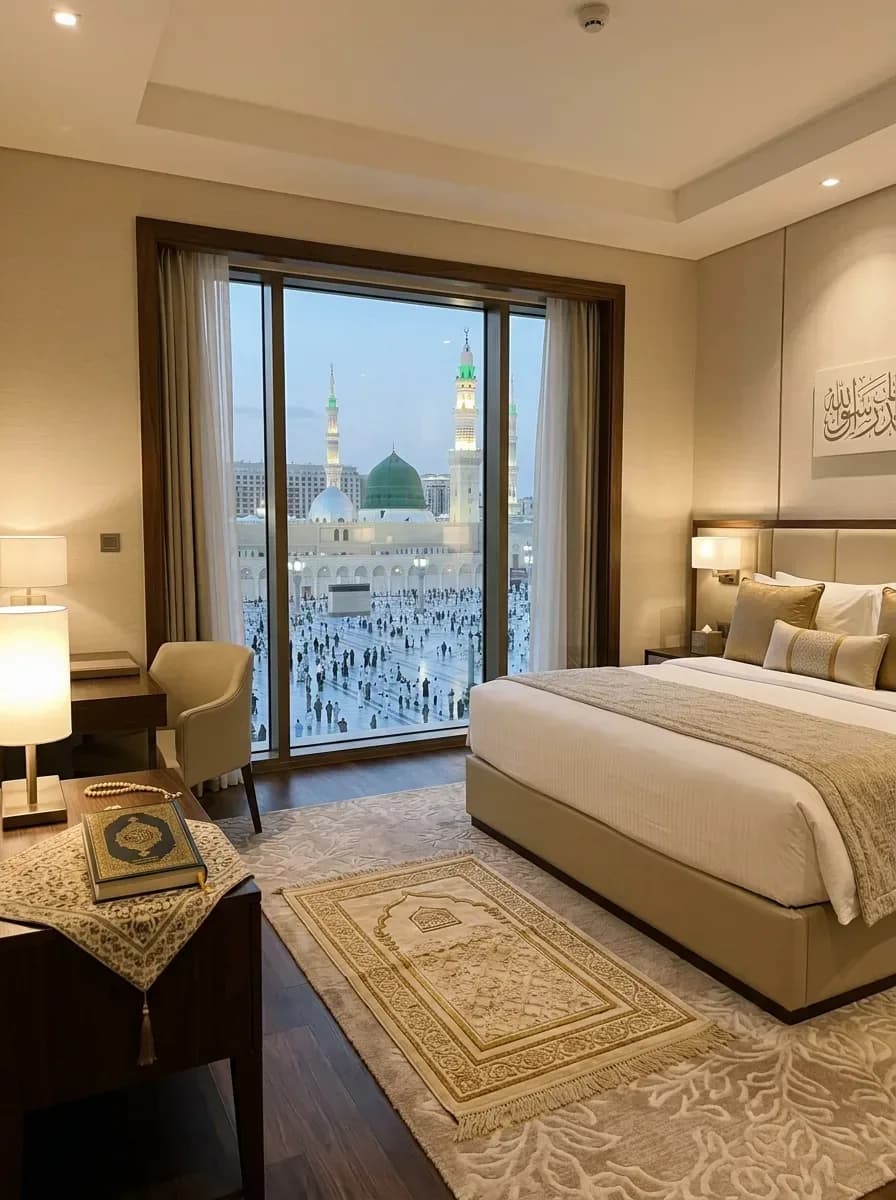
ওমরার জন্য কতদিন সময় নেওয়া উচিত? ৭, ১০ নাকি ১৪ দিন?
কতদিন যথেষ্ট মনে হয়
পরিবারে সাত, দশ বা চৌদ্দ দিনের ওমরা প্যাকেজ নিয়ে তর্ক হয়। টেনশন বাস্তব: চাকরির ছুটি সীমিত, তবু পবিত্র দিনে তাড়াহুড়ো ফাঁকা লাগতে পারে। সময়কাল তাকওয়ার প্রতিযোগিতা নয়। এটি শক্তি, হোটেল রাতের বাজেট এবং মক্কা-মদিনা ভাগের মিল।
সাত দিন ব্যস্ত পেশাজীবীর জন্য চলতে পারে যদি প্রত্যাশা মাপা হয় ও হাঁটার চাপ নিয়ন্ত্রিত থাকে। দশ দিন জনপ্রিয় মধ্যপথ। চৌদ্দ দিন সাধারণত বয়স্ক ও প্রথমবারের যাত্রীকে ইবাদত ও জিয়ারতের ফাঁকে বেশি ঘুরে দাঁড়ানোর সুযোগ দেয়। কম দিনে ফ্লাইট খরচ খুব একটা নাও কমতে পারে, তাই হোটেল রাতই দৃশ্যমান পার্থক্য তৈরি করে।
সময়কালের বিনিময়গুলো
সংক্ষিপ্ত সফর ইহরাম, ওমরার অনুষ্ঠান, মসজিদের সময় ও যাত্রা এক সরু জানালায় চাপে। জেট ল্যাগ ও গরম তখন সীমিত ঘণ্টার বড় অংশ নিয়ে নেয়। লম্বা সফরে হোটেল খরচ বাড়ে, তবু বিশ্রাম, শান্ত সময়ে বারবার সালাত এবং কারো শান্ত দুপুর লাগলে অপরাধবোধ কম থাকে। লম্বা প্যাকেজে মক্কা-মদিনা সমান ভাগ সাধারণ, তবে আগে চাইলে কাস্টমাইজ প্রায়ই সম্ভব।
ব্যবহারিক সময়কাল চেকলিস্ট
প্যাকেজ দেখার আগে ছুটির তারিখ লিখুন।
অগ্রাধিকার সাজান: বেশি হারাম সময়, মদিনার শান্তি, নাকি ঐতিহাসিক জিয়ারত।
মক্কা ও মদিনায় রাত কীভাবে ভাগ লিখিত জানুন।
প্রথম দিনেই অনুষ্ঠান না চাপিয়ে পৌঁছানোর ক্লান্তি হিসাব করুন।
বয়স্কদের জন্য সম্ভব হলে হারামের কাছের হোটেলসহ লম্বা অবস্থান বেছে নিন।
বাজেট টানলে ফ্লাইট মোটের বিপরীতে হোটেল রাতের সংখ্যা তুলনা করুন।
কম দিনের প্ল্যানে জিয়ারত অন্তর্ভুক্ত নাকি ঐচ্ছিক নিশ্চিত করুন।
কাজে ফেরার আগে বাফার রাখুন যাতে ক্লান্তি আধ্যাত্মিক আভা মুছে না ফেলে।
অফিসের ছুটি লক করার আগে /hajj-umrah এ নমনীয় সময়কাল দেখুন।
সাধারণ ভুল
ফ্লাইটের ক্লান্তি উপেক্ষা করে সাত দিন বুক করা।
হোটেল রাতের মোট প্রভাব না দেখে চৌদ্দ দিন বেছে নেওয়া।
না জেনেই প্রতি প্যাকেজে শহর সমান ভাগ ধরে নেওয়া।
সবচেয়ে ছোট প্ল্যানে ভারী জিয়ারত গুঁজে দেওয়া।
স্ট্যামিনার মিল নয়, মর্যাদা হিসেবে সময়কাল দেখা।
আল-মারচুচ ইন্টারন্যাশনাল কীভাবে সাহায্য করে
আল-মারচুচ ইন্টারন্যাশনাল সাত, দশ বা চৌদ্দ দিনের আকার বলার আগে ছুটি ও স্বাস্থ্য শোনে। সম্ভব হলে শহরের রাত কাস্টমাইজ করি এবং ছোট জানালায় কী ধরে তা সৎ রাখি। /hajj-umrah এ অপশন দেখুন এবং /contact এ ইটিনারেরি স্কেচ চান।
পৌঁছানোর পরের বাস্তবতা
প্রথম দিন শক্তি বাঁচিয়ে রাখুন। ইমিগ্রেশন, হোটেল ফরমালিটি ও উত্তেজনা দ্রুত জমতে পারে। পানি পান করুন, উপস্থিত মন নিয়ে সালাত পড়ুন, শরীর স্থির হওয়ার আগে ঐচ্ছিক সফর চাপাবেন না। শান্ত অবতরণ পরে রাতের দোয়াকে পরিষ্কার রাখে।
টাকা ও কাগজপত্রের শান্তি
ভাউচার, পরিচয়ের কপি ও জরুরি নম্বর একসাথে রাখুন। ট্যাক্সি ও নাস্তার দৈনিক খরচ কে দেখবেন ঠিক করুন। ভ্রমণের আগে খোলা প্যাকেজ প্রশ্ন লিখে রাখুন যাতে গ্রুপ লিডারের সঙ্গে কথা স্পষ্ট ও সম্মানজনক থাকে।
ইবাদতের টেকসই গতি
তীব্র রাত অর্থবহ যখন তা পুনরাবৃত্তি করা যায়। গভীর সেশনের সঙ্গে বিশ্রাম, হালকা খাবার এবং সুযোগ থাকলে শান্ত কোণের পালা রাখুন। টেকসই গতি মনোযোগ রক্ষা করে, আর মনোযোগই মানসম্মত ইবাদতের প্রাণ।
পারিবারিক যোগাযোগ
দৈনিক মিলিত হওয়ার সময় ও হারানোর পর মিলিত হওয়ার ল্যান্ডমার্ক ঠিক করুন। ঘন ভিড়ে লোকেশন শেয়ার করুন। পানি ও বয়স্ক বা শিশু দেখভালের দায়িত্ব ভাগ করুন যাতে একজনের ওপর সব না পড়ে।
ভিড়ের মনোভাব ও বিশ্রামের ঋণ
ঘন ইবাদতের জায়গায় আবেগের উচ্চতা ও হঠাৎ ক্লান্তি দুটোই আসে। বরকতময় ঘণ্টা মিস হবে ভয়ে ঘুম এড়ালে পরে অসুস্থতায় দুই দিন নষ্ট হতে পারে। তাওয়াফের মতোই সুরক্ষিত ঘুমের সময় বাঁধুন। বিশ্রাম বাড়তি অলংকার নয়। এতেই বয়স্ক বাবা-মা ও শিশুরা মর্যাদা নিয়ে সফর শেষ করতে পারে।
রোজার হাতিয়ার হিসেবে হোটেল দূরত্ব
রোজা রাখলে প্রতিটি অতিরিক্ত হাঁটার মিনিট বাড়ে। মানচিত্রে ঠান্ডা মৌসুমে চলতে পারে এমন হোটেল রমজানে তারাবীহর পর কঠিন লাগতে পারে। যে সময় হাঁটবেন সেই সময়ের রুট মাপুন। লম্বা রাতের পর সিঁড়ির চাপ কমাতে লিফট ও সালাত তলার প্রবেশ আছে কি না জানুন।
মাঠের ছোট সিদ্ধান্ত
প্রতিদিনের সালাতের আগে পানি ও হালকা খাবারের নিয়ম পরিবারে এক করে নিন। কে কখন হারামে যাবেন এবং কে ঘরে বিশ্রাম দেখাবেন লিখে রাখুন। ছোট সমন্বয়ই ভিড়ের রাতে বিভ্রান্তি কমায় এবং ইবাদতের মনোযোগ বাড়ায়।
ফিরে আসার প্রস্তুতি
ফেরার আগের দিন লাগেজ ওজন ও জমজমের নিয়ম আবার দেখুন। ওষুধ ও নথির কপি হাতব্যাগে রাখুন। বিমানবন্দরে তাড়াহুড়ো কমাতে রাতের আগেই কাগজ ও চার্জার গুছিয়ে রাখা দরকারি অভ্যাস।
সাধারণ প্রশ্ন
প্রশ্ন ১: ১৪ দিনের প্যাকেজে কি সমান দিন থাকা যায়? উত্তর: হ্যাঁ. ৭ দিন মক্কায় এবং ৭ দিন মদিনায় থাকা যায়।
প্রশ্ন ২: কম দিনের প্যাকেজে জিয়ারতের সময় পাওয়া যায়? উত্তর: ৭ দিনের প্যাকেজে সময় সীমিত থাকে, তবে ১০ বা ১৪ দিনে পর্যাপ্ত সময় পাওয়া যায়।
প্রশ্ন ৩: ৭ দিনের প্যাকেজের খরচ কি কম? উত্তর: হোটেল ভাড়া কম হলেও ফ্লাইটের দাম একই থাকে।
প্রশ্ন ৪: বয়স্কদের জন্য কোনটি ভালো? উত্তর: ১৪ দিনের প্যাকেজ বয়স্কদের জন্য সবচেয়ে ভালো।
পরবর্তী পদক্ষেপ
ছুটির জানালা ও যাত্রীদের বয়স লিখুন। /hajj-umrah এ তিনটি সময়কালের শিট তুলনা করুন, তারপর বাস্তব শক্তির সঙ্গে মেলাতে /contact এ লিখুন।